Bus Duct Components & Power Connections
Custom bus duct sections, fittings and connections that carry high current efficiently between equipment.
Moving High Current in Less Space
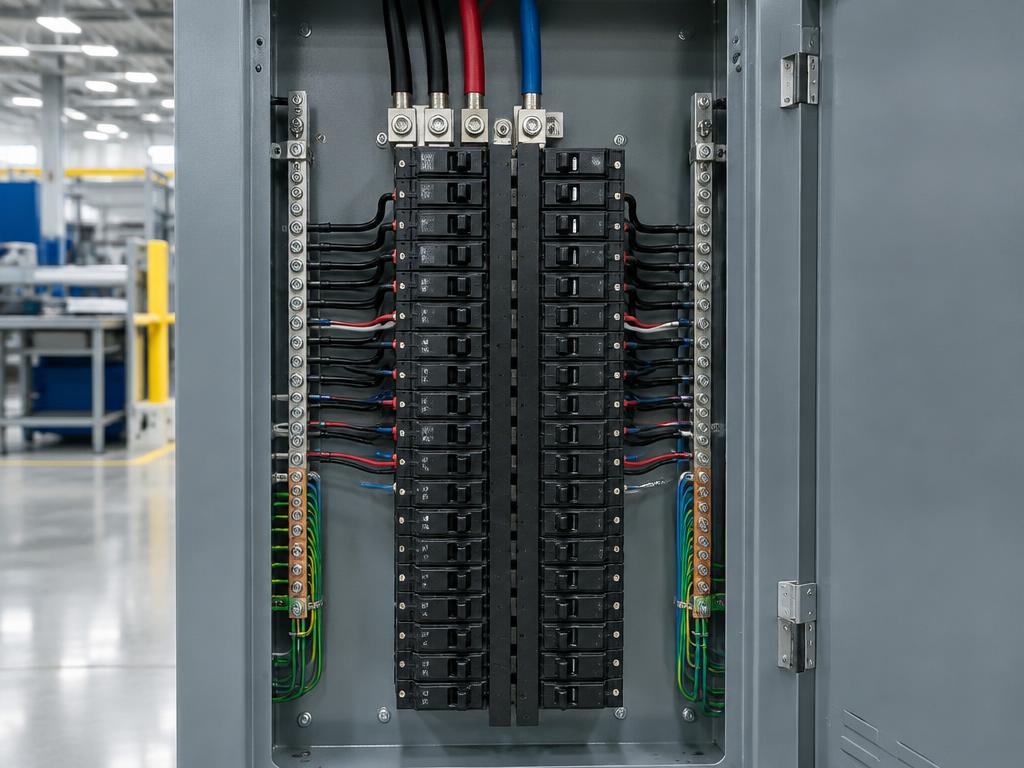
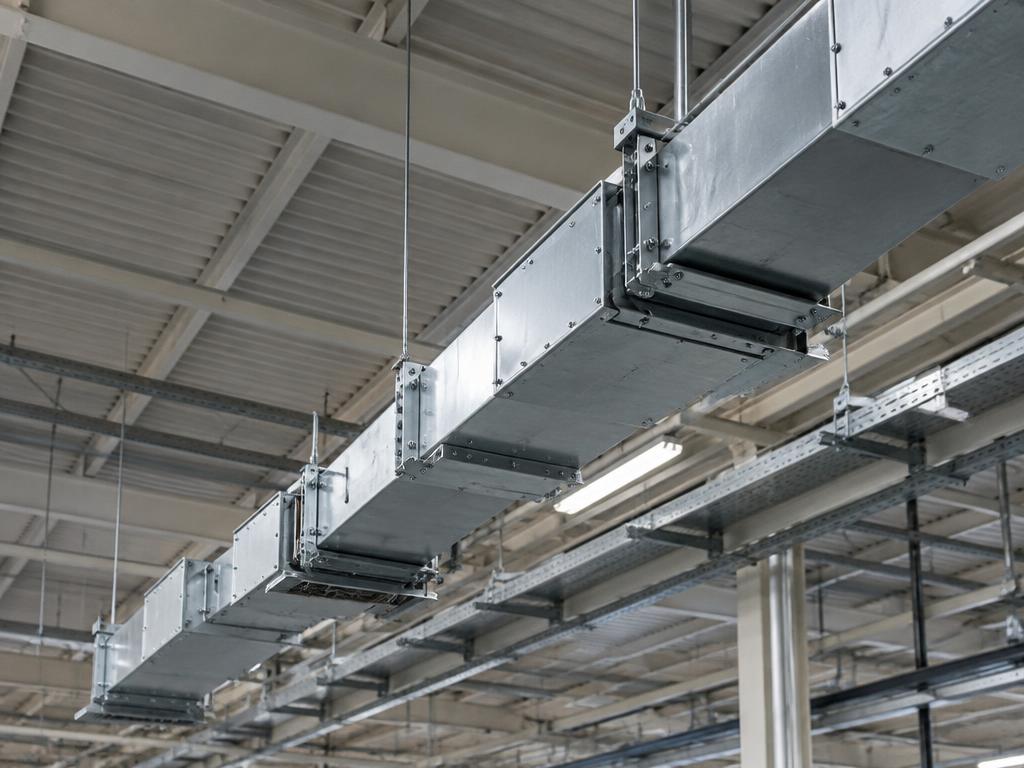
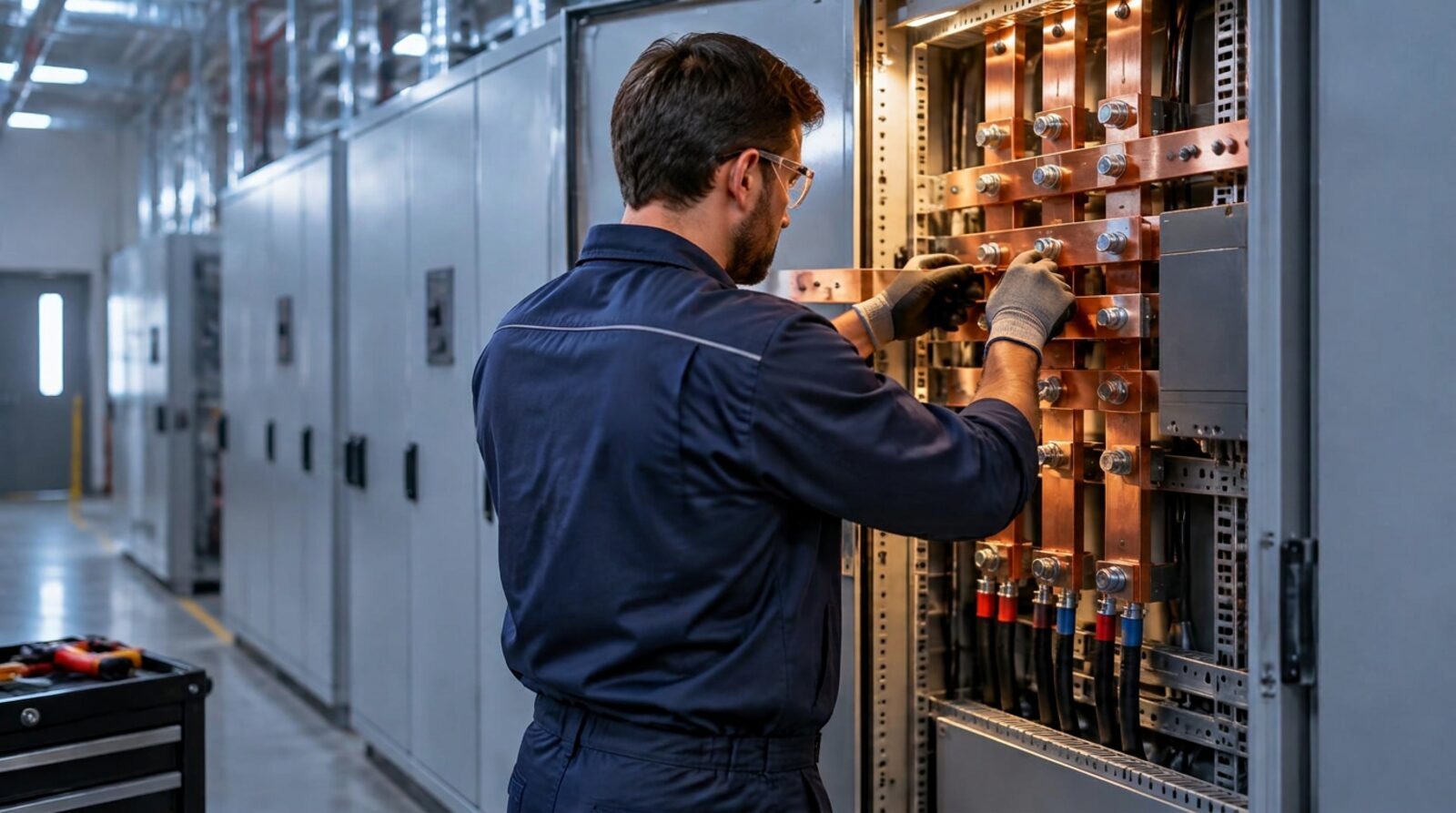
Bus duct, also called busway, carries large amounts of current through an enclosed housing instead of many parallel cables. It saves space, simplifies installation and makes it easier to tap power along a run in risers, factories and large buildings.
EBS manufactures and customizes bus duct components so connections between transformers, switchboards and distribution points fit the real geometry of your site, including offsets, elbows and special lengths that standard parts cannot cover.
Bus Duct Capabilities
Custom sections & lengths
Straight sections cut and built to field-measured dimensions.
Elbows, tees & offsets
Fittings fabricated to route around structure, ducts and other obstacles.
Equipment connections
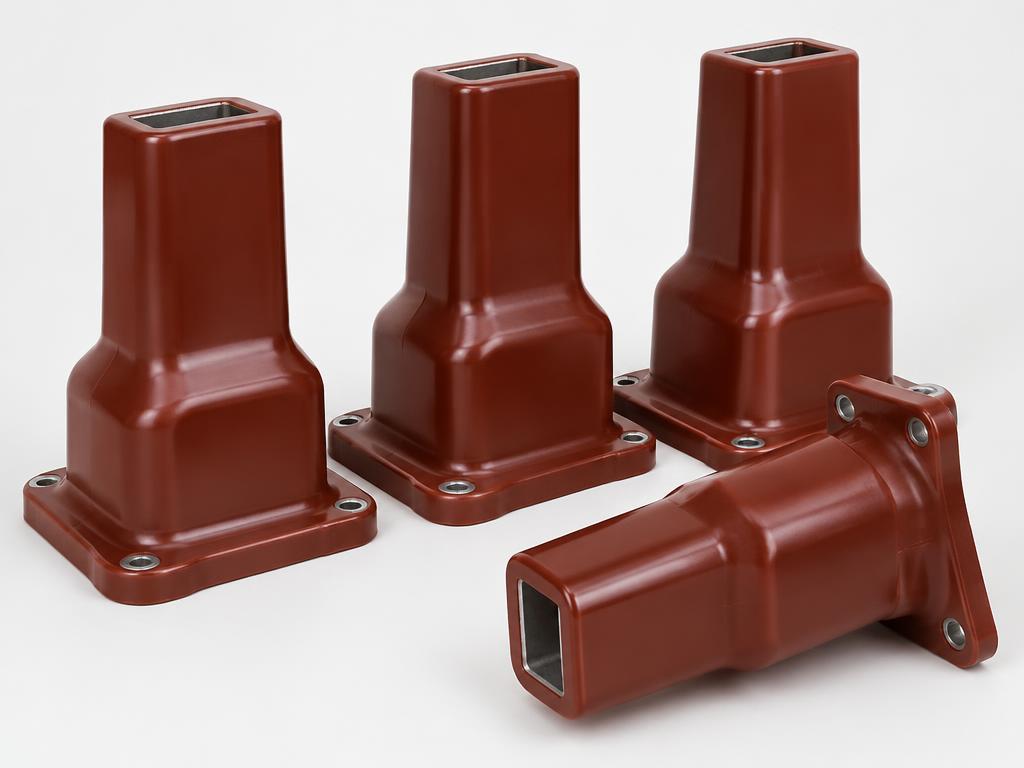
Flanged connections that tie bus duct into transformers and switchboards.
Replacement components
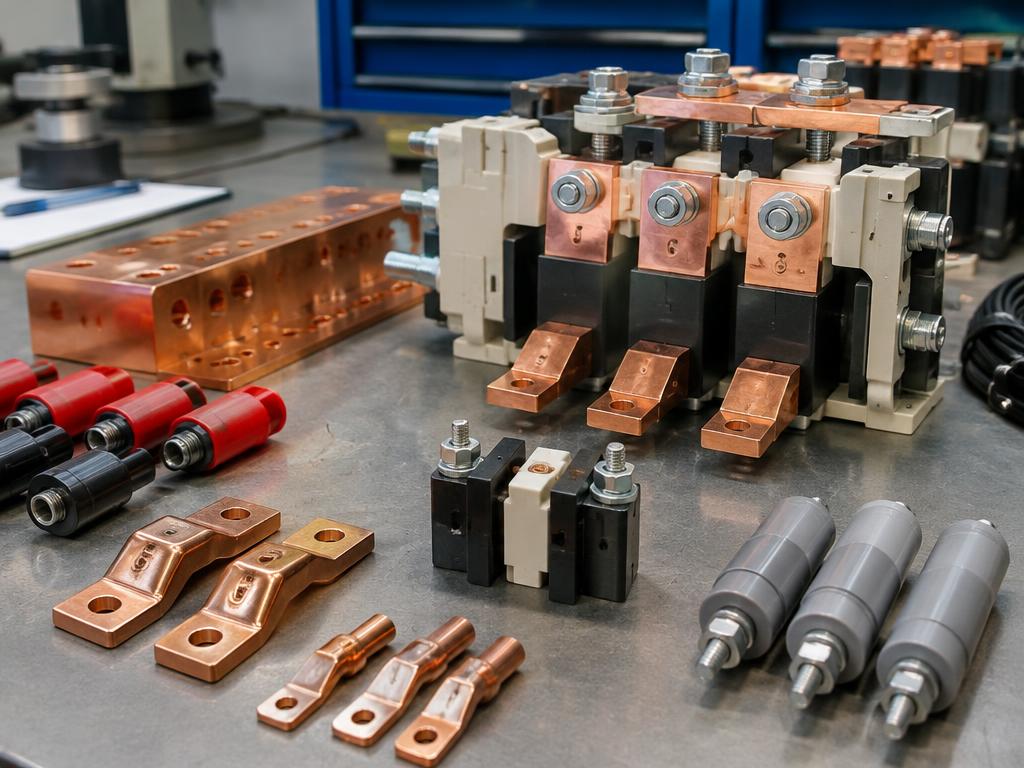
Components for repairing or extending existing bus duct runs.
Our Process
Our Bus Duct Process
- 01
Field measurements
We work from site dimensions and equipment drawings to define the route.
- 02
Component design
Each section and fitting is designed to match ampacity and connection points.
- 03
Fabrication
Conductors and housings are fabricated and assembled in our shop.
- 04
Fit verification
Parts are checked against the layout before shipment to avoid field surprises.
Typical Bus Duct Applications
- High-rise electrical risers
- Transformer-to-switchboard connections
- Manufacturing floors with changing equipment layouts
- Data center power distribution
- Hospital and campus feeders
- Retrofit of aging busway runs
Why Choose EBS for Bus Duct
- Components built to field dimensions, not just catalog sizes
- Faster installation than pulling large parallel cable runs
- Support for extending or repairing existing systems
- Coordination with the switchboards we build
Bus Duct Systems FAQ
- What is the difference between bus duct and cable?
- Bus duct uses rigid conductors in a common housing, which carries high current in less space and allows tap-off points. Cable uses multiple flexible conductors pulled through conduit or tray.
- Can you build fittings for an existing busway?
- Yes. With the existing system information and field dimensions, we can fabricate compatible components.
- Where is bus duct most useful?
- It is most valuable for high-current runs, vertical risers and facilities where loads move or expand over time.
Get Started
Ready to Power Your Next Project?
Tell us about your switchboard, equipment or electrical service needs. Our team in Los Angeles helps you spec it, build it and get it done right the first time.